
Overall size
Record the key width, depth, height, and configuration values on the dated drawing under review.
Turn a catalog model, marked-up drawing, or new furniture brief into an approval record your sourcing team can control—from dimensions and finish swatches to hardware, branding, packaging, quality checkpoints, and repeat orders.
A useful custom furniture enquiry identifies the base model or concept, revision, intended setting, target market, quantity, destination, and the decisions your team must approve.
Meisen works with brands, distributors, retailers, and project buyers developing poly lumber outdoor furniture. The starting point may be an item from the current product catalog, a revision to an existing model, or a drawing and reference package supplied for feasibility review. In every case, the quoted item needs a clear identity. A model name alone cannot control dimensions, finish, hardware, graphics, pack method, or assembly content.
Use a dated specification or drawing revision as the center of the conversation. Attach finish references, component notes, branding artwork, packaging instructions, and any evidence requests to that same revision. Feasibility, ownership, tooling if relevant, charges, timing, and commercial terms are reviewed for the specific brief. Open fields remain open until both sides confirm them in writing.
For ideas within the current range, review Adirondack chairs, outdoor tables, outdoor sofas and lounge sets, and benches. Category placement helps discovery; the quotation confirms whether a model and requested changes are available.
This matrix keeps buyer choices visible. Add project-specific fields where they matter, and mark unavailable evidence as not established rather than filling the gap with an assumption.
| Buyer-controlled field | Reference to submit or create | Approval control |
|---|---|---|
| Model and revision | Product link, drawing, component list, and dated revision code | Use the same identity on the quote, sample notes, order file, and inspection record. |
| Dimensions and construction | Dimensioned drawing, critical measurements, configuration, and assembly intent | Record accepted values and resolve conflicts between drawings, images, and written notes. |
| Finish and hardware | Physical swatch or approved reference plus the selected hardware description | Identify what each reference represents and keep unverified material or performance claims out. |
| Branding and packaging | Artwork file, placement proof, carton marks, pack layout, and included materials | Approve appearance, wording, components, and pack sequence before production use. |
| Sample, QA, and reorder | Sample approval record, checkpoint list, retained revision, and change log | Compare production and later orders with the accepted record, documenting any approved change. |
Start with a product URL, model reference, drawing, or concept package. State which features must stay, which may change, and which are still being explored. When feedback changes a dimension, component, hole position, finish, hardware item, or assembly method, issue a new dated revision rather than overwriting the earlier record.
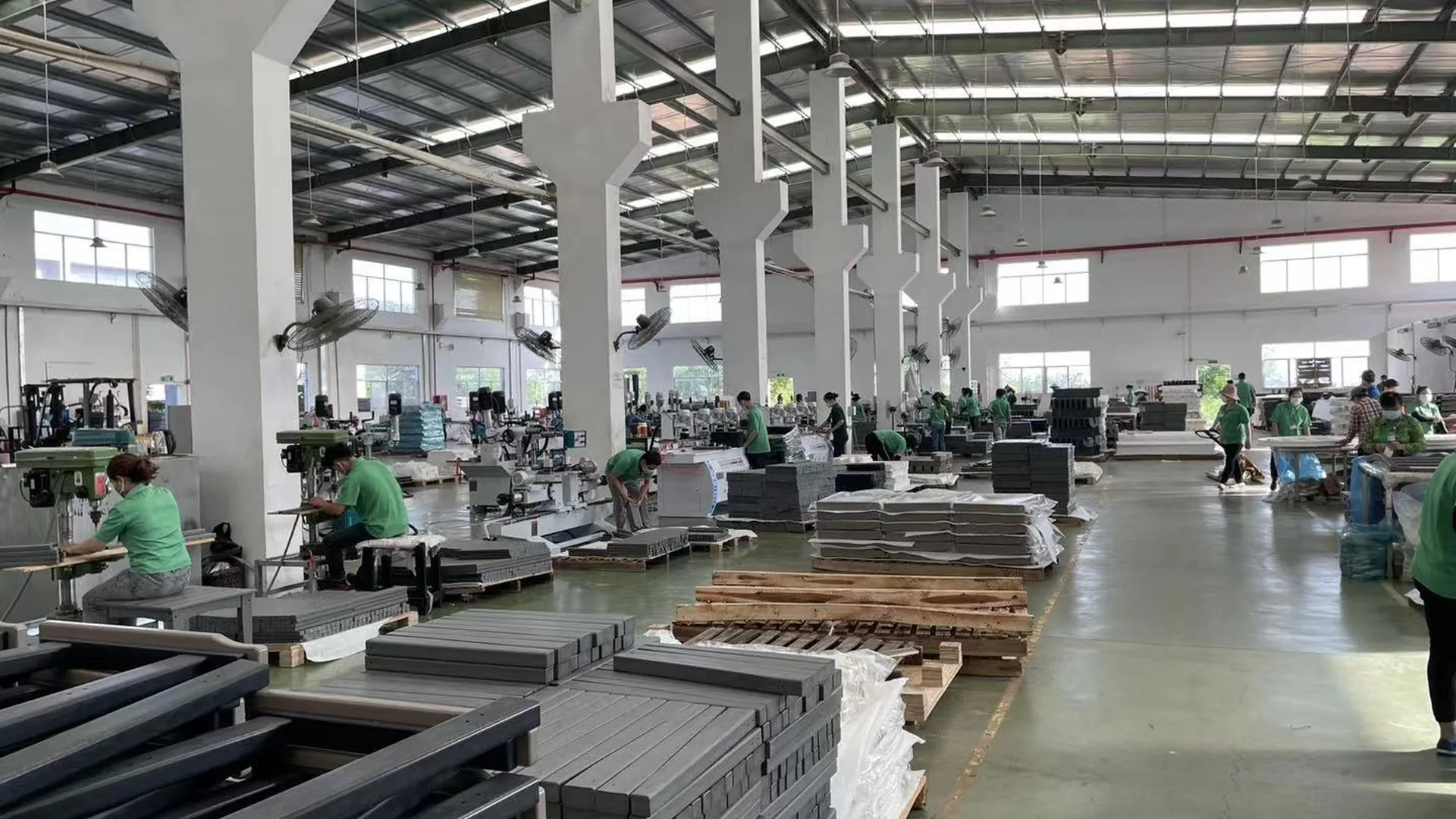
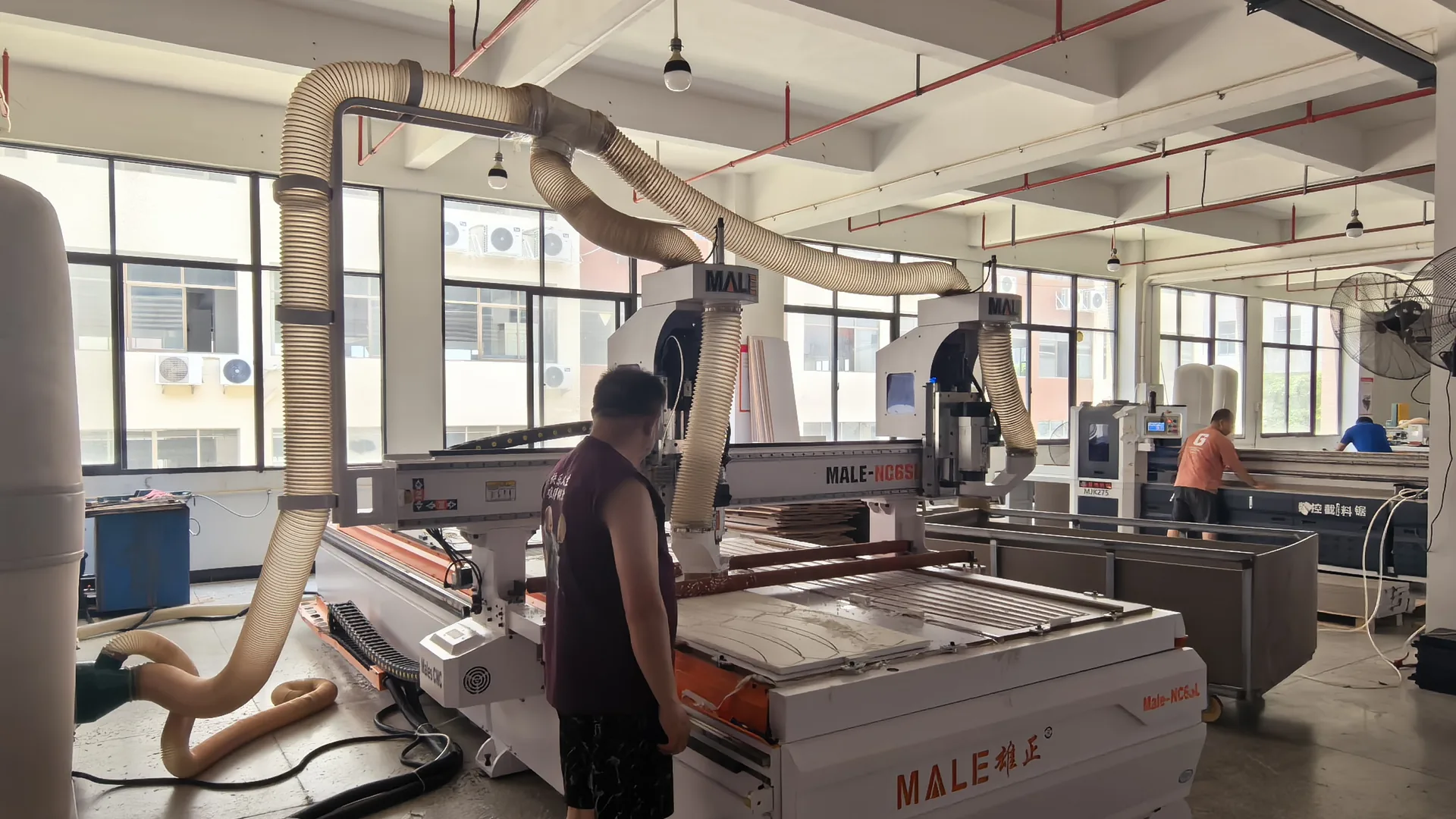
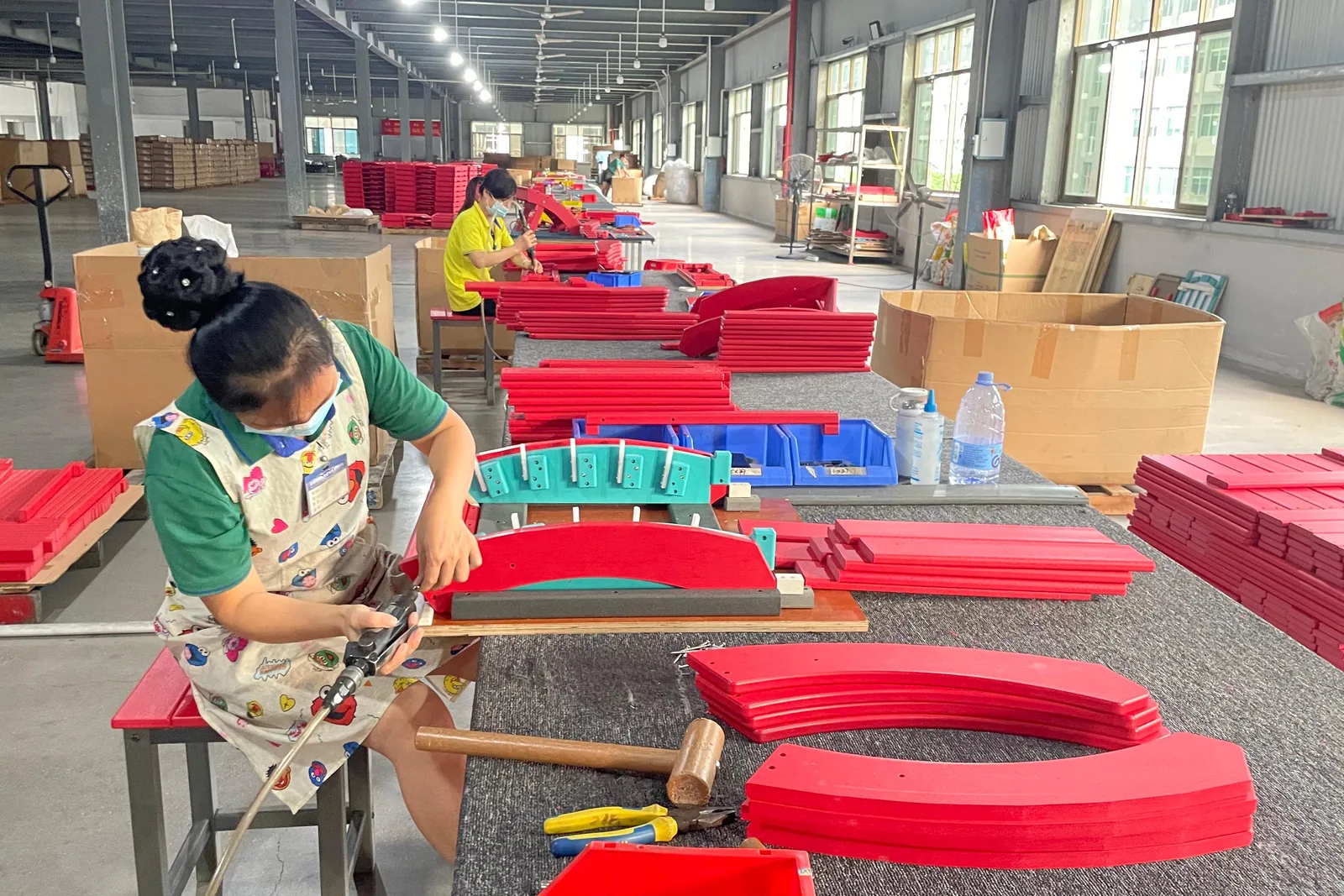
The custom manufacturing overview shows the factory stages that may follow an approved brief. The applicable route is confirmed for the selected product; workshop photography does not establish a particular product specification.
Reference images communicate direction, but they do not define a build. Provide overall dimensions, critical interfaces, component relationships, and any constraints created by the intended placement or packing plan.
Mark dimensions that control fit, coordination with another item, or buyer acceptance. Hardware also needs a selected description tied to the model revision. Identify visible appearance, locations, quantities, and assembly responsibility. If the buyer requires a material grade, coating, performance result, or market-specific document, request applicable evidence before treating that requirement as satisfied.
Record the key width, depth, height, and configuration values on the dated drawing under review.
Call out dimensions that affect fit, alignment, coordination with another item, or buyer acceptance.
Identify selected hardware, visible appearance, locations, quantities, and assembly responsibility.
Keep requested performance criteria separate from applicable reports or results actually supplied.
Color names and screen images can be ambiguous. Ask for an available physical finish swatch or other agreed reference and record the product, surface, color, and texture decision it represents. Any expected variation and the method used to compare production with the reference should be written into the approval notes.
Branding requires final artwork, dimensions, placement, orientation, and an appearance proof. Packaging requires the pack configuration, protective materials, carton wording, labels, marks, included instructions, and accessory list. Language, barcodes, warnings, or market-specific information remain buyer-supplied or subject to buyer approval as agreed for the project.
A pack review should also confirm which parts are assembled, which parts are loose, and how included hardware and instructions are identified. This makes the packaging decision inspectable instead of relying on a general request such as “retail ready” or “project pack.”
A sample is useful only when the review says what it represents and what it does not. The applicable sample format, charge, timing, shipment, and approval method are confirmed after scope review.
Compare the requested model, revision, dimensions, finish, hardware, branding, packaging, market, destination, and evidence list. Record missing inputs.
Define whether the decision needs a swatch, component, packaging proof, product sample, or another documented reference. State the questions it must answer.
Return consolidated comments against the identified revision. Record accepted points, required corrections, conditional items, and fields still awaiting evidence.
Connect the accepted specification, sample references, packaging plan, quality checkpoints, quantities, and commercial terms to the written order documents.
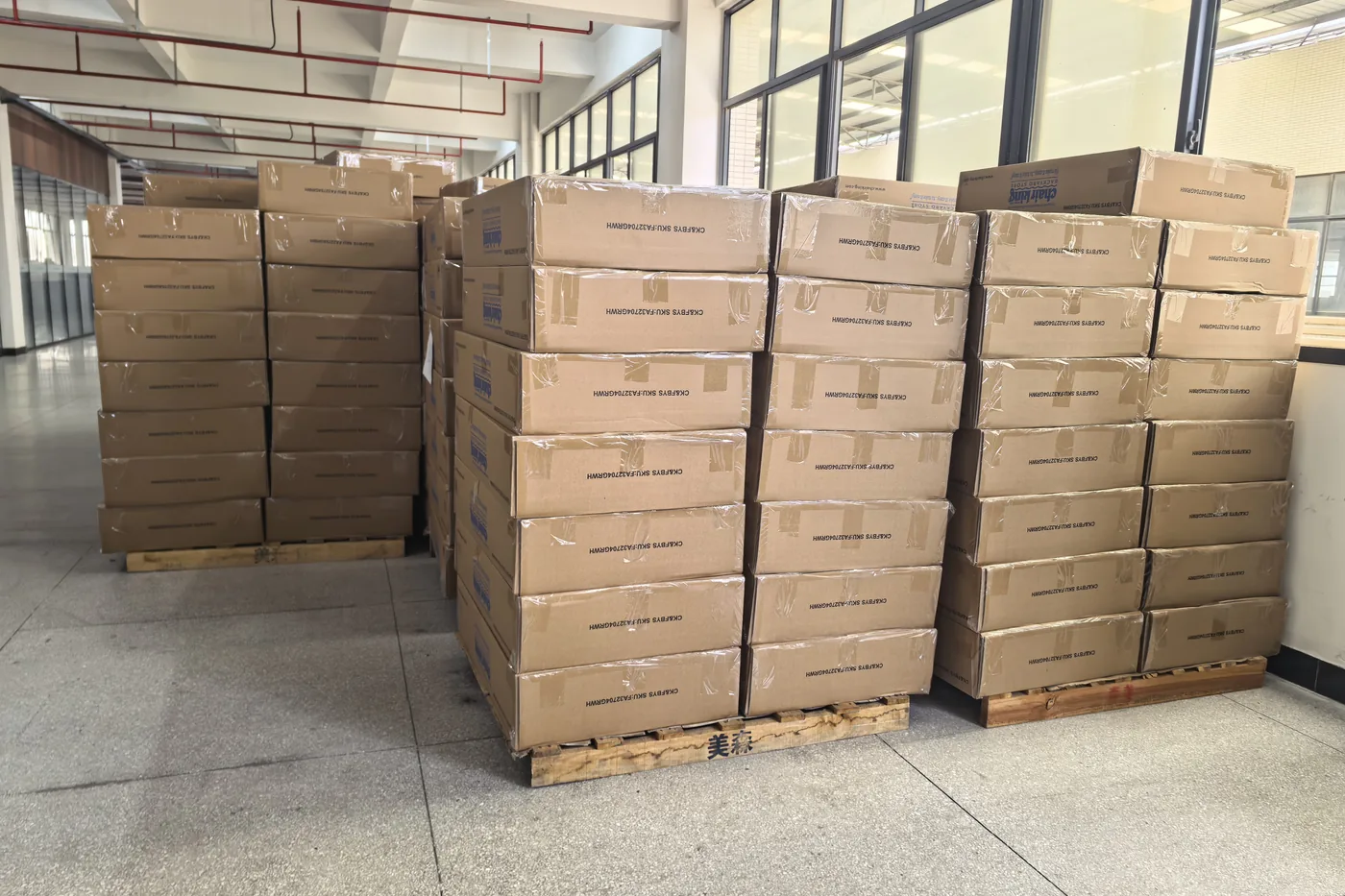
Quality checkpoints should refer back to the approved product identity. The buyer can identify critical dimensions, visible finish points, hardware checks, branding placement, pack contents, marks, and assembly materials that need review. Inspection scope, method, responsibility, and acceptance criteria must be agreed for the order rather than inferred from this page.
For a repeat order, begin with the prior accepted revision and list every requested change. Confirm that the earlier finish reference, hardware selection, artwork, packaging files, and instructions are still current and applicable. If a component or reference changes, record the substitution and approval before treating the order as equivalent.
The project delivery process keeps production, packing, international freight, customs responsibility, and final-mile steps distinct. Quantities, packed data, dates, Incoterm, route, documents, and responsibility split are confirmed for each order.
These answers describe the enquiry and approval process. Product-specific feasibility, evidence, timing, and commercial terms are confirmed in writing for the reviewed scope.
You can submit a catalog link and mark the dimensions, finish, hardware, branding, packaging, or configuration you want reviewed. Meisen will assess feasibility and identify the drawings, samples, costs, timing, and approvals needed for that exact revision before making a manufacturing commitment.
Yes. Include a dated drawing or clearly labeled image set, intended use, critical measurements, quantity, destination, and ownership information. Reference images communicate direction; the agreed specification and approved revision control the item to be quoted and reviewed.
Ask what physical swatch or other reference is available for the selected product and finish direction. The approval record should identify what the reference represents, how production will be compared with it, and any variation both sides accept. A screen color should not be assumed to be a physical match.
They can be submitted for scope review. Provide final artwork, placement, dimensions, language, marks, labels, barcode data if applicable, pack configuration, instructions, and included accessories. Feasibility, method, charges, timing, and buyer approval are confirmed for the project.
Reference the last accepted model and revision, then confirm the finish reference, hardware, artwork, pack plan, instructions, and quality checkpoints are still current. List every requested or necessary change and approve it in writing. Current availability and commercial terms are reconfirmed for each order.
Include dimensions, finish direction, hardware, branding, packaging, quantity, destination, sample needs, evidence requests, and target timing. Meisen will review the scope and identify open fields for quotation.