
Factory identity
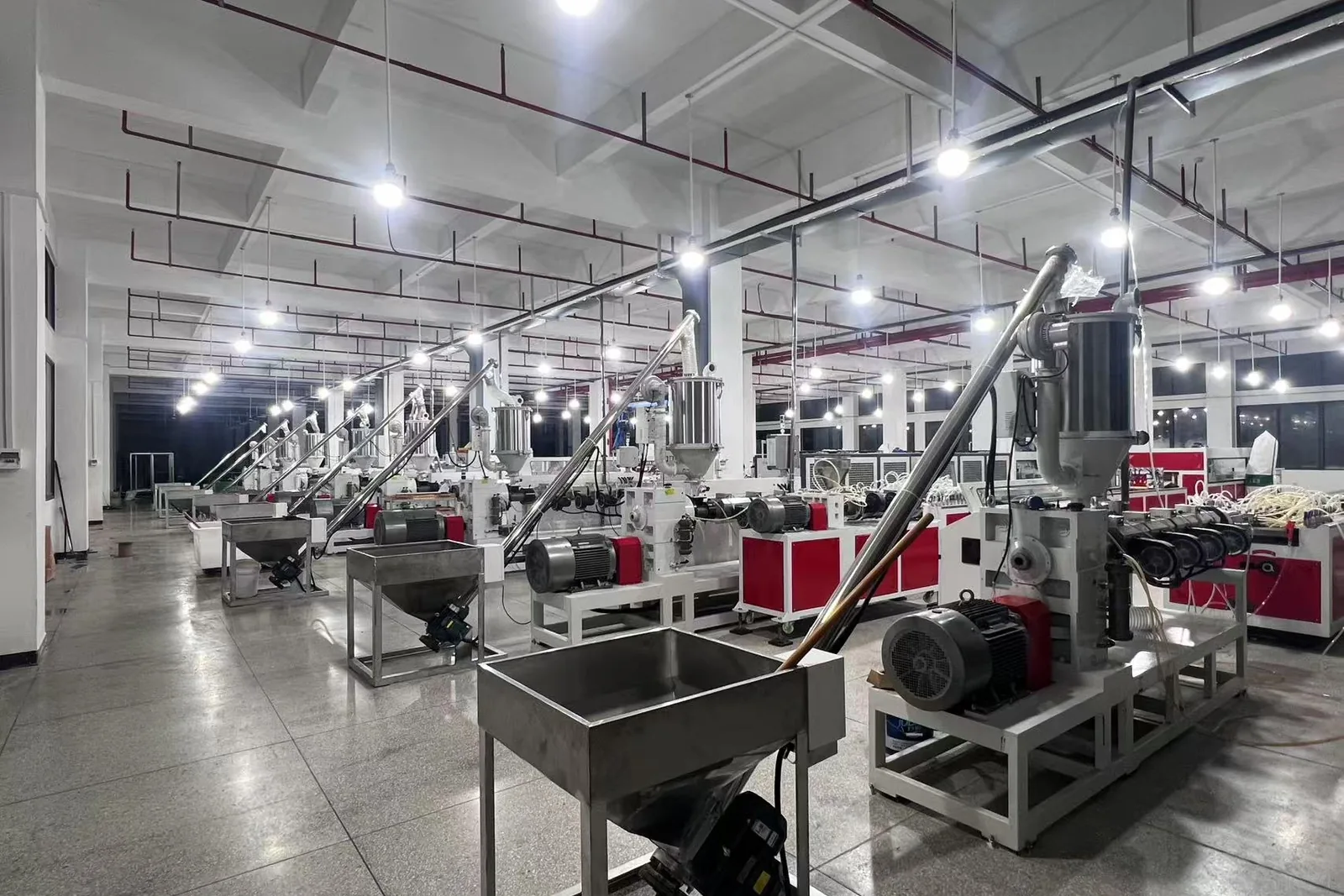
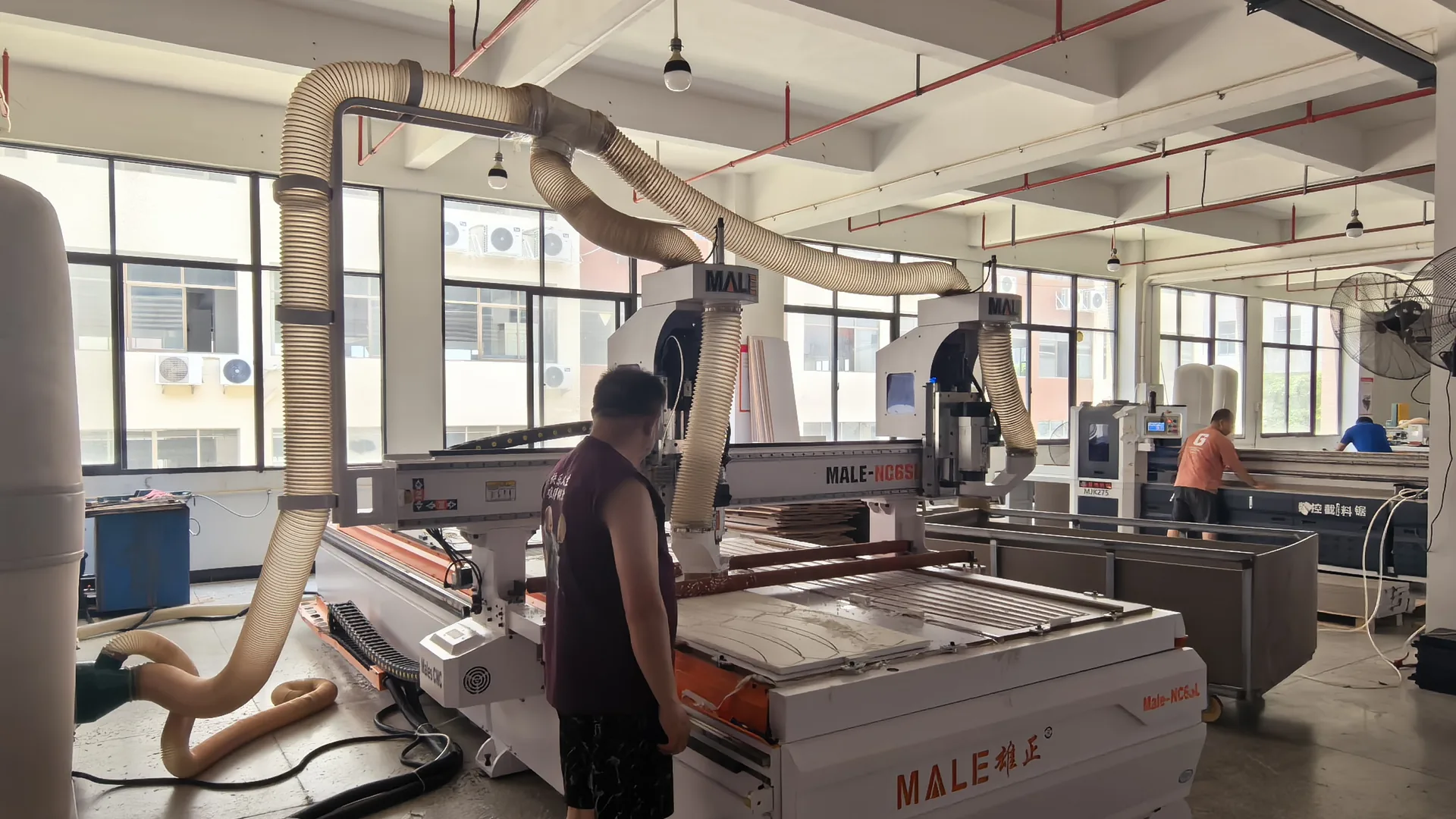
Current records and photography show Meisen’s outdoor furniture production operation in Quanzhou, including equipment, operators, assembly, packing, and staged goods.
Responsible sourcing begins with defined products, traceable claim boundaries, visible decisions, and records a buyer can examine. We separate what is documented from what still needs product-specific or order-specific verification.
Material names, recycling language, durability language, and factory photographs are often used as shortcuts for environmental performance. Each can describe a relevant part of a product, but none establishes a complete environmental result by itself. A credible claim needs a defined product, scope, method, boundary, date, evidence owner, and conclusion.
Meisen does not use this page to publish an unsupported recycled-input percentage, carbon figure, service-life number, certification, or universal environmental advantage. We explain the records that can be reviewed today and the questions buyers should carry into a product, packaging, logistics, and end-of-life decision.
Verification is strongest when the evidence identifies the exact product, component, order, or process it represents.
Current records and photography show Meisen’s outdoor furniture production operation in Quanzhou, including equipment, operators, assembly, packing, and staged goods.
A buying file can name the model, revision, dimensions, configuration, finish reference, component list, and approved sample scope.
A quotation and order record can connect quantity, packaging, marks, destination, inspection checkpoints, and delivery responsibilities.
A document should state whether it applies to a material, profile, component, complete product, factory process, shipment, or another defined subject.
Buyers can request a remote factory walkthrough, project-specific photographs, or an on-site visit discussion. Visibility supports due diligence when the review scope is agreed; it does not replace material records, product tests, labor information, or environmental accounting.
The appropriate request depends on the market, product, claim, and decision. Missing evidence should be marked not established.
| Decision area | Buyer request | Boundary to preserve |
|---|---|---|
| Material composition | Named material, input definition, supplier declaration, applicable batch or product, calculation basis, date, and verifier when relevant | Do not transfer one supplier or profile statement to every component or finished item. |
| Manufacturing | Factory identity, applicable process flow, project checkpoints, subcontracted steps when relevant, and record owner | Factory visibility alone does not quantify environmental or social performance. |
| Product performance | Exact model or specimen, revision, method, conditions, acceptance criteria, result, date, and issuer | A test on material or a profile does not automatically prove complete furniture performance. |
| Packaging | Pack configuration, material descriptions, marks, supplier information, dimensions, weights, and destination requirements | A preferred material is not automatically the lower-impact option in every route or recovery system. |
| Logistics | Origin, destination, route, shipment mode, packed data, responsibility points, and any calculation method used | A partial transport figure is not a complete product footprint. |
| Use and end of life | Care instructions, parts references, repair information, local reuse or recycling pathway, and acceptance rules | Technical recyclability does not prove collection or processing at the buyer’s location. |
“HDPE,” “poly lumber,” and “recycled” are incomplete claim descriptions. A buyer should identify the polymer system, whether the statement concerns a raw material, profile, component, or finished item, the input categories included, the percentage basis if a figure is proposed, the period or batch, and the party responsible for the evidence.
This page does not assign any formulation or recycled-input figure to Meisen products. Those fields require current documentation for the selected SKU and relevant components. If evidence covers only one profile or color, the claim should stay within that scope.
The guide What Is HDPE Outdoor Furniture? explains the difference between a material description and complete furniture evidence. Product listings and samples should be read together with the applicable specification.
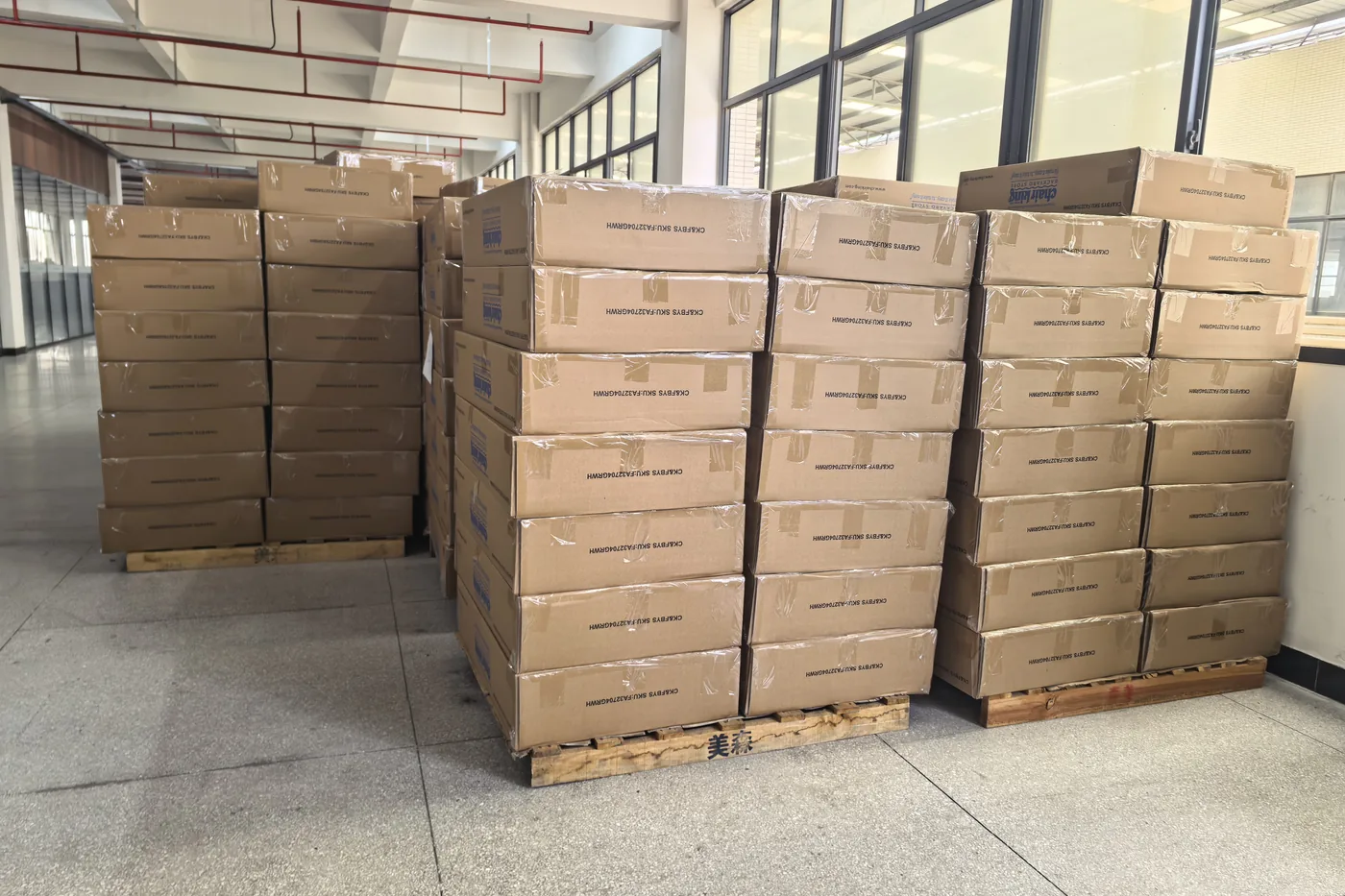
A packaging discussion should begin with the accepted product configuration and route. Record assembly state, pack grouping, protective elements, loose parts, instructions, labels, carton marks, and order-specific packed dimensions, weights, and counts. Then identify each packaging material and the local requirements at the destination.
Packaging reduction is not a safe assumption when protection, handling, damage, or product loss has not been considered. Compare alternatives against a shared functional brief and document the tradeoffs. Supplier declarations and recovery labels should remain connected to the exact item and market in which they apply.
For transport, keep factory dispatch, international freight, customs, warehousing, final mile, receiving, and installation roles separate. The project delivery workflow helps buyers assign those responsibilities. Any environmental calculation needs its own stated boundary and method.
Responsible purchasing includes the information a property, dealer, or end user needs to inspect an item and describe a later parts request.
Retain the accepted model, revision, finish reference, component list, assembly instructions, care guidance, and order reference. A labeled diagram or photograph can identify replaceable components and fittings. Availability, compatibility, price, shipping, and terms must be confirmed when a request is made; the existence of a part reference is not a promise of indefinite supply.
Cleaning and inspection plans should follow current product instructions and site conditions. Do not turn a material category into a fixed maintenance interval or lifespan. The responsible party should define inspection points, issue reporting, isolation criteria, repair approval, and retirement decisions for the actual use setting.
End-of-life language also needs local evidence. Ask whether the item can be disassembled, which materials can be identified, what facilities actually accept them in the destination market, and what preparation or transport is required. A resin identification or theoretical pathway does not establish collection, acceptance, or recovery.
Before a product page, tender response, label, or campaign uses an environmental statement, review the claim as carefully as the product.
Name the material, component, product, pack, shipment, or organization covered.
State locations, life-cycle stages, time period, markets, and exclusions.
Identify the calculation, test, declaration, chain of records, and responsible issuer.
Keep the published wording no broader than the dated evidence and update it when inputs change.
We will separate available records, information that requires project review, and fields that remain not established.