
Outdoor furniture focus
Browse current seating, dining, lounge, table, and supporting product categories, then identify the exact model and configuration for review.
We present Meisen through the work buyers can examine: outdoor furniture products, a production operation in Quanzhou, and a documented path from product brief to sample, approved specification, packing, and delivery coordination.
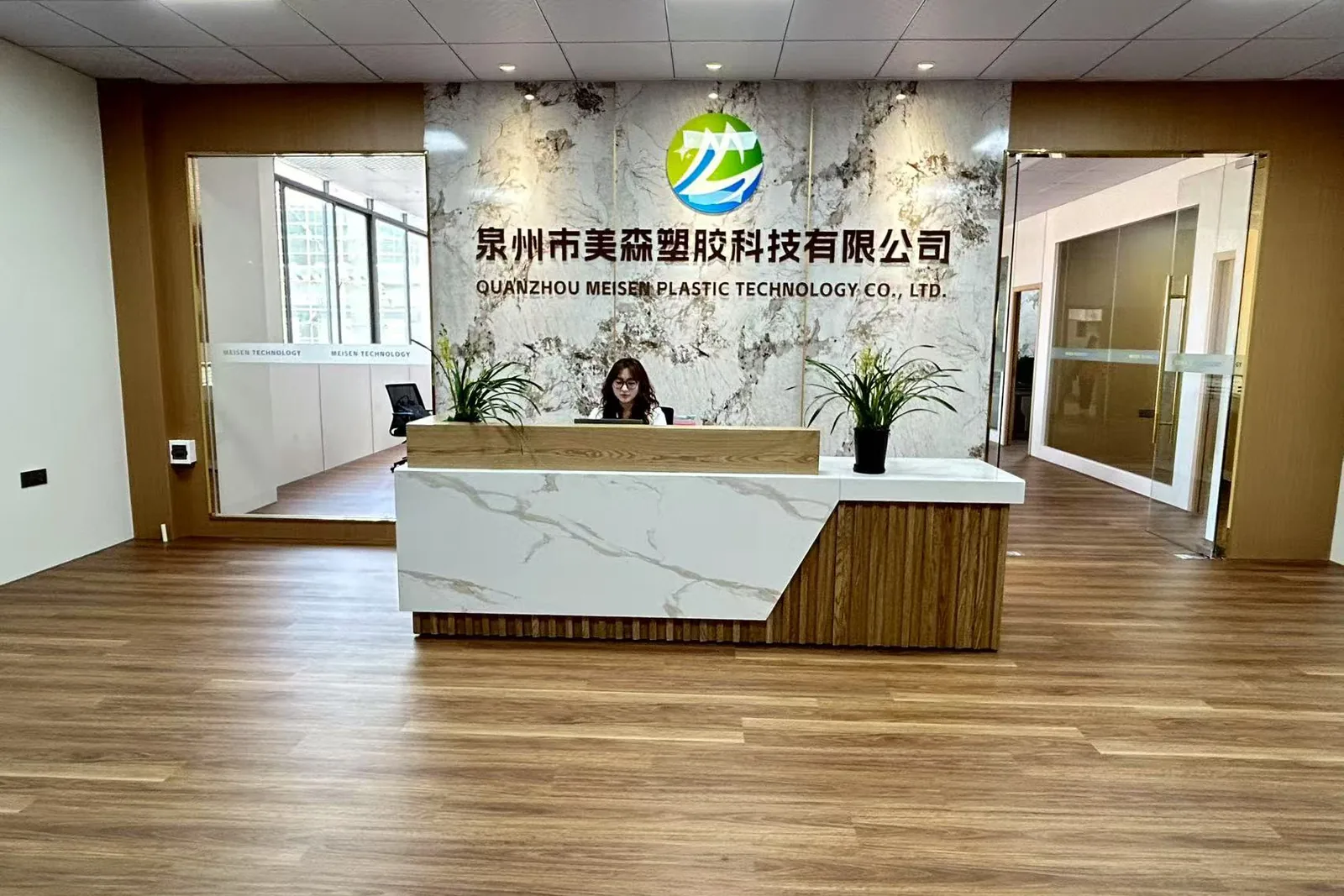
A company story can quickly become a list of dates, superlatives, and scale claims. We take a more useful approach. Meisen is an outdoor furniture supplier with a manufacturing operation in Quanzhou, China. Current factory records show production equipment, operators, component work, assembly areas, packing, and order staging. Buyers can ask to connect those records to a specific sourcing brief.
This page does not invent a founding narrative or turn factory photography into proof of product performance. It explains how we work today, what a buyer can request, and where an approval must remain tied to the selected model, revision, finish, quantity, packaging plan, and delivery scope. It also gives project teams a shared place to review open questions before a sample, quotation, or production record becomes the basis for the next decision.
Importers, distributors, hospitality teams, and outdoor-living brands need a route from an initial product reference to a buying file their teams can review.
Browse current seating, dining, lounge, table, and supporting product categories, then identify the exact model and configuration for review.
Bring a model, drawing, reference, color direction, branding need, or packaging brief into a controlled feasibility discussion.
Define what a sample must represent, who will review it, and which dimensions, finish details, construction points, or packing questions require approval.
Keep the selected product, quotation, specification, approval notes, pack record, and agreed logistics roles connected through the order.
The current catalog offers a practical starting point. Category placement supports discovery; it does not guarantee that every option, change, or destination requirement is available. A quotation and approval record must define the actual order.
Our independent site is intended to make that review easier. Product pages can introduce forms and current catalog groupings, while manufacturing and delivery pages explain the questions behind a purchase. A serious evaluation still moves beyond the screen: buyers should request the selected model reference, current dimensions, configuration, finish direction, component and packing information, and the evidence required for their market or project. When a field has not been confirmed, it remains an open item in the brief. That discipline gives designers, procurement teams, operators, and logistics partners a shared record instead of several competing versions of the same product.
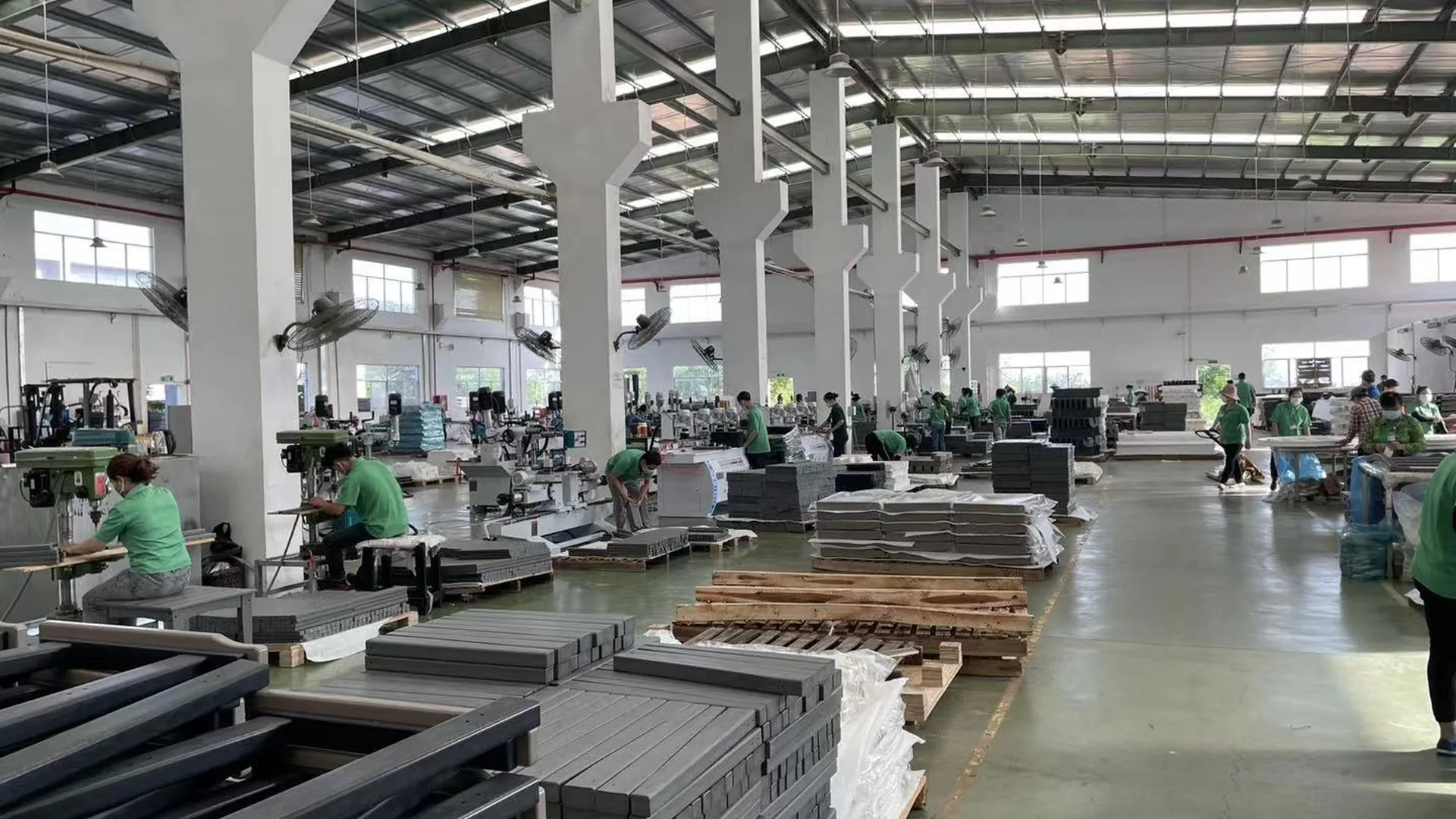
Our current factory imagery documents material handling and extrusion equipment, CNC machining, hand finishing, assembly, packing, and staged goods. Each image shows a real part of the operation. It does not establish a capacity figure, a test result, or the production route for every product.
For a live project, buyers can request a remote walkthrough, process photographs, or a visit discussion. The review should name the product, order stage, areas to be shown, people responsible, and any information that cannot be shared. That makes factory visibility useful to due diligence rather than decorative proof.
Every stage should leave a document, reference, or decision that the buyer and supplier can identify later.
Define the buyer, market, product, intended use, quantity, destination, critical dimensions, finish direction, and open requirements.
Connect candidate products or drawings to feasibility notes, quoted scope, samples, and product-specific evidence.
Record the accepted model revision, finish reference, component list, packaging, responsibilities, and unresolved exceptions.
Use the approved file for production communication, receiving, issue records, replacement requests, and later reorder comparison.
Product development, production, packing, export coordination, procurement, design, logistics, and site teams may all contribute to one order. Their responsibilities should be visible. A buyer should know who can approve a change, who supplies a drawing, who confirms a pack mark, who books transport, and who receives an exception report.
Our role is to keep questions connected to the appropriate product and order record. Some answers can be given from a current catalog file; others require review by production, a component supplier, a logistics party, or the buyer’s own technical team. We mark those boundaries rather than presenting an assumption as a final answer.
The project delivery workflow shows how sampling, production, freight, customs, final mile, and site handoff can be separated. The agreed quotation and order documents control the actual responsibility matrix.
Trust grows when a buyer can distinguish an observable fact, a proposal, an approved specification, and a result.
Composition, recycled input, additives, and other material claims require documentation for the selected product or component.
Weathering, load, safety, or compliance language needs an applicable method, specimen, revision, date, result, and issuer.
Availability, quantity, price, production timing, and delivery scope belong in a dated quotation or written confirmation.
A photograph, market reference, or intended application is not a customer case study or proof that a product suits another site.
Send the model or reference, intended use, quantity, destination, approval needs, and open evidence questions. We will identify the next review step.
MeisenTech (Meisen Technology) is a manufacturer of HDPE outdoor furniture based in Quanzhou, Fujian, China. Founded in January 2025, we operate from a manufacturing facility of close to 20,000 square meters.
Our factory manager brings nearly 8 years of HDPE outdoor furniture manufacturing experience, and our founder has worked in the industry for over 7 years.
We develop our own material formulations and design our own product lines. Alongside our own collections, we run private-label and OEM programs for US-based companies. We don’t name our OEM partners publicly — protecting client relationships is part of how we do business.