
Adirondack chairs
Map lounge positions, side-table relationships, movement paths, storage expectations, and finish choices by location.
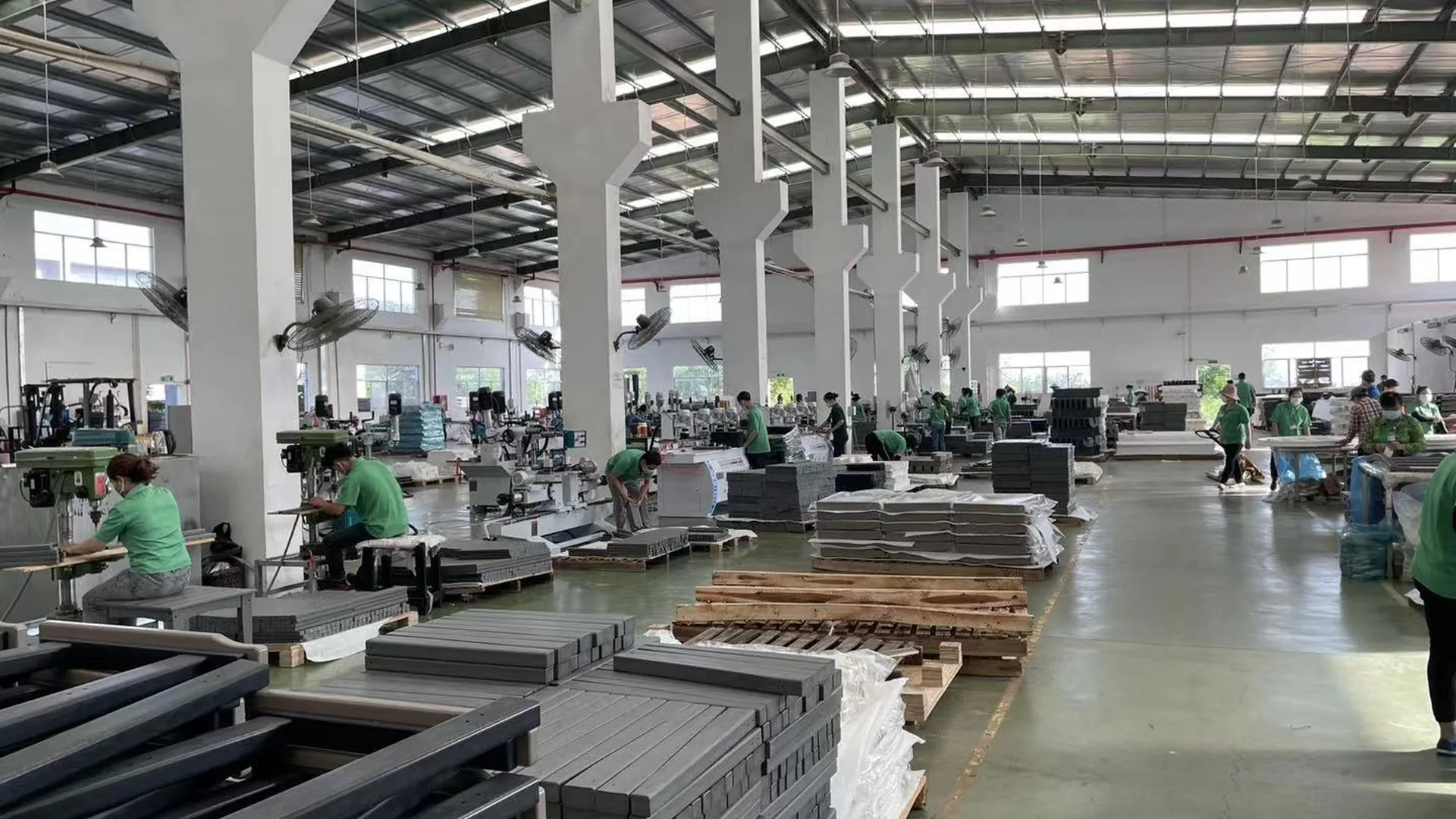
Build a controlled furniture brief for hotels, restaurants, residential communities, public spaces, and distributors near the coast—covering site exposure, product revisions, materials, fasteners, finish references, cleaning, testing requests, packaging, and delivery roles.
Distance from shore is only one input. A useful brief records placement, shelter, wind-driven deposits, wetting, cleaning, drainage, shade, temperature, movement, storage, and maintenance responsibility.
Begin with a site schedule. Give each terrace, balcony, pool deck, dining area, boardwalk, courtyard, garden, or public zone an identifier. Note whether the space is covered or open, how often furniture will be moved, where it will be stored, what surfaces and fixed elements affect placement, and who will inspect and clean it. Include buyer observations instead of assigning an exposure rating without a cited project standard.
Then list the evidence needed for the selected SKU and revision. Material descriptions, component drawings, fastener information, finish references, cleaning instructions, and test documents should match the item being evaluated. A broad material label or a photograph cannot establish performance in a particular location. If applicable evidence is unavailable, keep the requirement open and decide how the buyer will handle that gap.
For the broader factory path, see the HDPE outdoor furniture manufacturer overview. Buyers modifying a model can use the custom poly lumber furniture manufacturer workflow to control drawings, samples, components, packaging, and revisions.
Shortlist product forms, then connect every model to a zone, quantity, revision, finish reference, handling plan, and evidence request.
Map lounge positions, side-table relationships, movement paths, storage expectations, and finish choices by location.
Record orientation, spacing, adjustment and wheel questions where relevant, towel service, movement, and storage routines.
Define the seating plan, model combination, clearances, reset routine, package identity, and replacement references.
Identify placement, preferred form, circulation, ground conditions, installation questions, and asset or zone labels.
The commercial HDPE outdoor furniture page provides a wider planning framework for layouts, handling, replacement parts, receiving, and delivery roles. Category placement supports discovery; availability and project suitability remain subject to the quotation and approved evidence.
Use the matrix during specification, sampling, and approval. Add any owner, designer, operator, or authority requirements that apply to the project.
| Review field | Buyer input or question | Evidence or approval control |
|---|---|---|
| Site exposure | Zone, cover, wetting, airborne deposits, shade, surface, temperature observations, and cleaning frequency | Dated site schedule with assumptions and project-specific requirements |
| Product identity | SKU, revision, dimensions, component list, finish direction, quantity, and intended placement | Accepted schedule, drawing, and labeled sample or finish reference |
| Materials and fasteners | Requested description for boards, frames, fasteners, connectors, and visible components | Supplier document tied to the selected item; unsupported fields remain open |
| Salt-spray evidence | Required standard, method, duration, specimen, preparation, acceptance criteria, and report scope | Applicable report reviewed against the exact claim, component, finish, and revision |
| Care and delivery | Cleaning method, inspection routine, storage, packaging, destination, receiving, assembly, and placement roles | Approved care inputs, pack plan, responsibility matrix, and order-specific documents |
A coastal brief should identify the selected product and visible or concealed components that matter to the buyer. Request the written material description for boards, frames, fasteners, connectors, moving parts, feet, caps, and other relevant items. Where a grade, coating, finish, or test result is required, state the requirement and ask for an applicable document rather than inserting a general assumption.
Fastener review should cover description, location, quantity, visible appearance, assembly responsibility, and replacement identity. If the buyer requires salt-spray testing, define the requested standard, test method, duration, specimen preparation, acceptance criteria, date, result, issuing party, and connection to the exact component and product revision. A report for another material, finish, or specimen does not automatically apply.
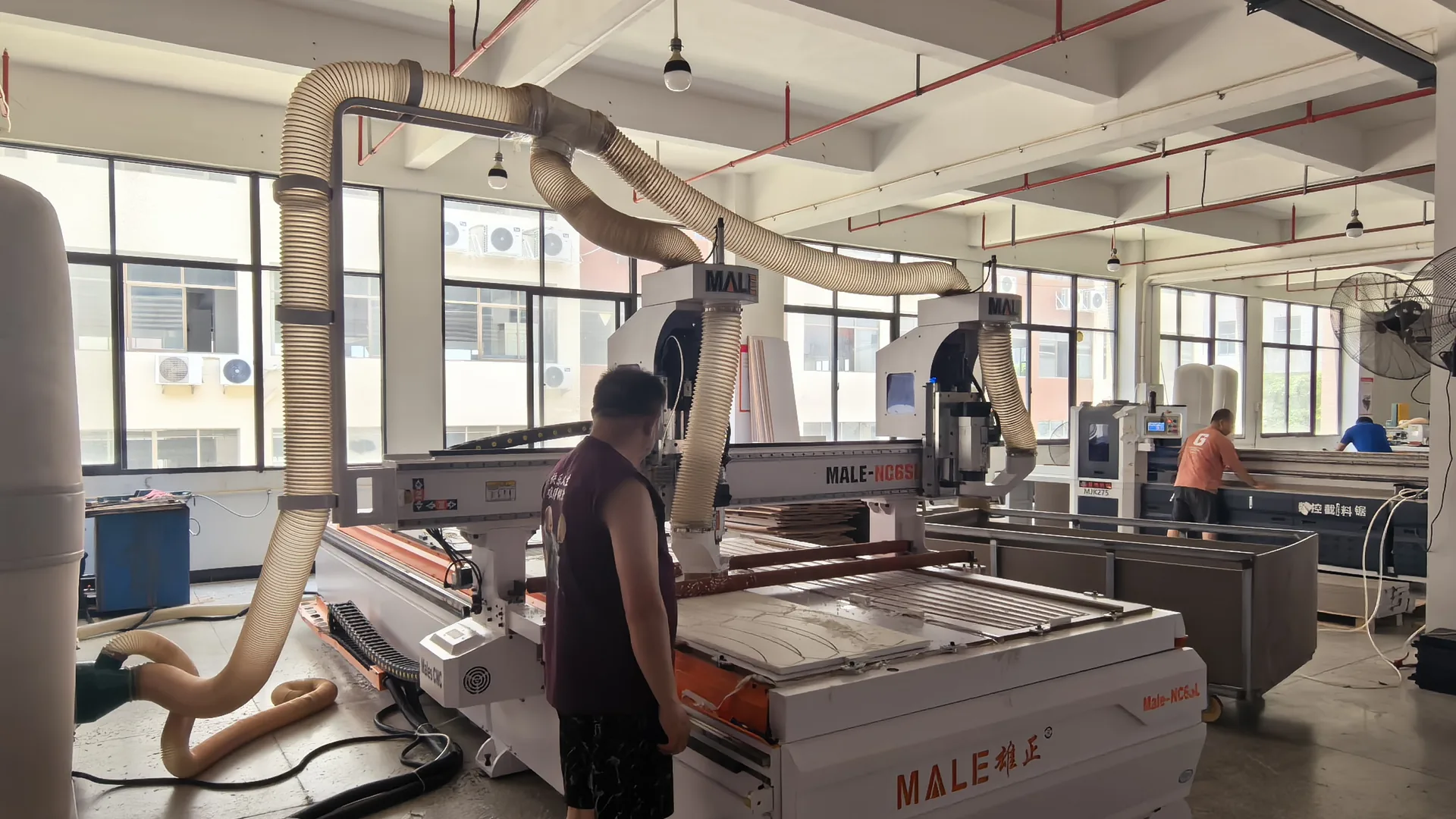
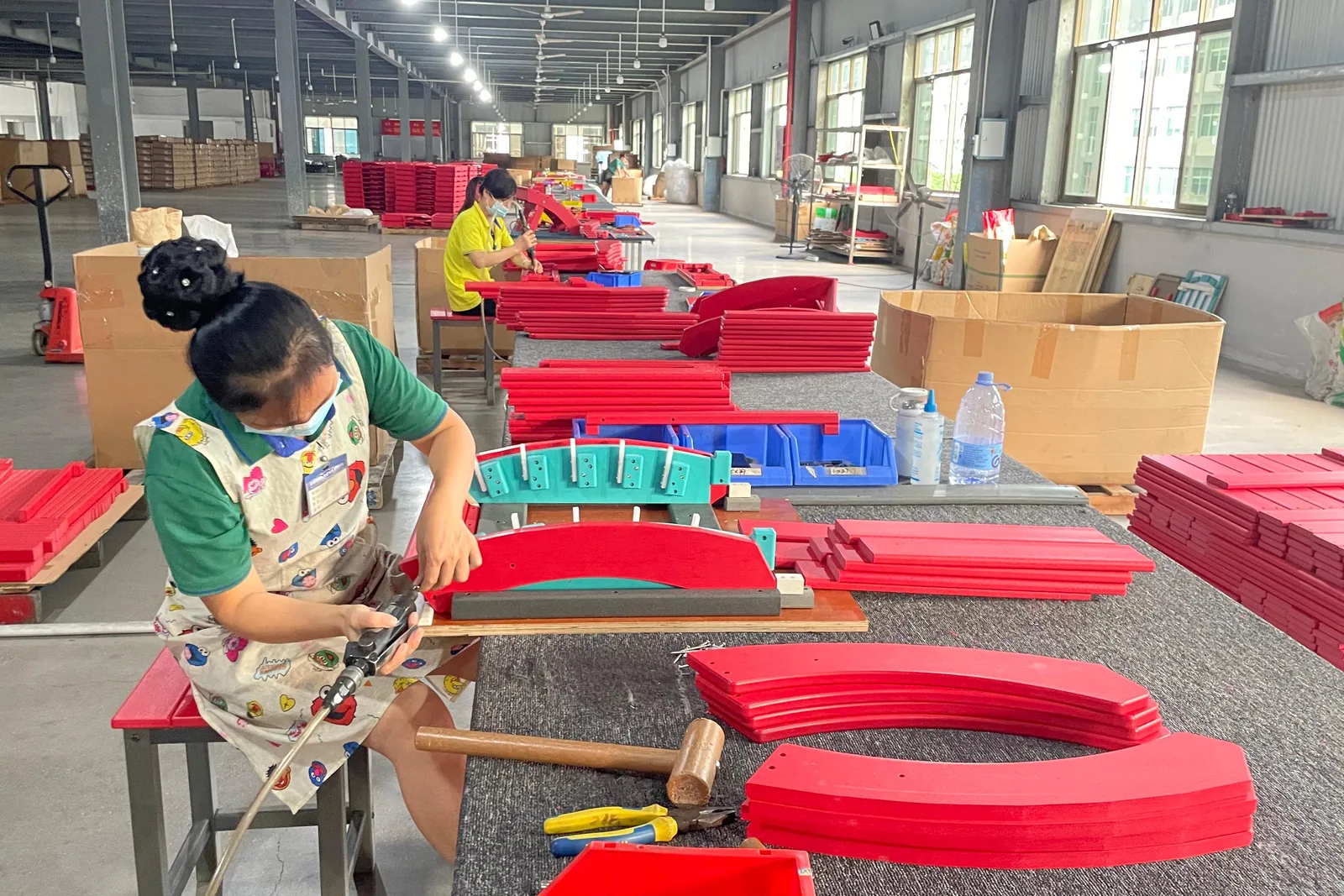
Finish selection needs an available physical swatch or another agreed reference labeled with the product, surface, color, and texture it represents. Screen images can help shortlist a direction, but the approval record should state how the physical decision is made and what variation, if any, the buyer accepts.
Ask the operator for the proposed cleaning products, dilution, tools, water source, rinse method, frequency, and response to visible deposits or spills. Submit that plan for product-specific review and retain the resulting instructions with the asset record. Do not treat a generic cleaning statement as approval for every chemical, concentration, or method.
Heat exposure also needs context: shade, reflective surfaces, seasonal conditions, contact expectations, storage, and operating controls. If the buyer has a temperature-related requirement, request applicable evidence for the selected product and finish. The site team remains responsible for placement decisions, guest or public procedures, and compliance with project requirements.
A sample should answer written questions. Its format, charge, timing, shipment, and approval method are confirmed after the request is reviewed.
Compare the site schedule, product list, drawings, finish direction, component questions, care inputs, packaging, destination, and evidence requests.
Define whether the decision needs a swatch, component, hardware reference, packaging proof, product sample, or another documented item.
Check each document for model, component, revision, method, specimen, date, result, issuing party, and the claim it is intended to support.
Return consolidated comments and record accepted points, corrections, conditional items, unresolved gaps, and any approved change.
The hospitality outdoor furniture manufacturer page offers related guidance for guest-zone schedules, operations, replacement references, packaging, and receiving.
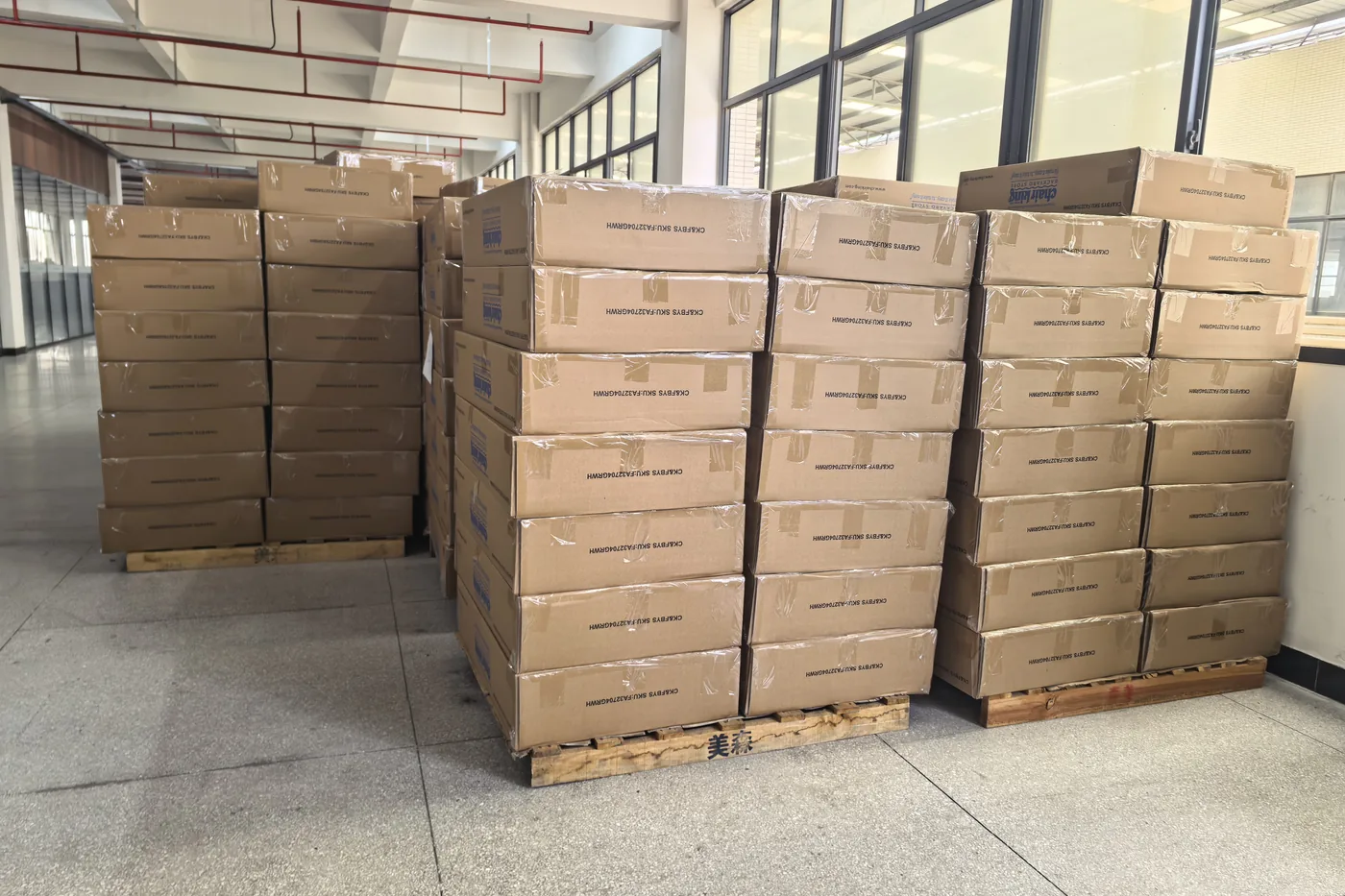
Specify pack configuration, assembly state, protective materials, carton marks, labels, instructions, included hardware, loose parts, and grouping by property, building, floor, zone, store, or customer order. Packed dimensions, packed weight, package count, and container planning require order-specific data after the product and pack method are established.
Assign responsibility for factory readiness, booking, international freight, customs activity, final mile, unloading, receiving, assembly, placement, count and condition checks, and exception records. Identify access constraints and the receiving contact before shipment. Keep planning dates separate from events confirmed by the party responsible for that stage.
The project delivery workflow separates production, packing, freight, customs responsibility, and site handoff. The quotation and order documents should state the applicable Incoterm, route, document set, roles, and current commercial terms.
These answers describe the review process. Product-specific evidence, availability, pricing, timing, and terms are confirmed in writing for the selected scope.
Send the site and zone schedule, exposure observations, product links or drawings, quantity by model, dimensions, finish direction, material and fastener questions, cleaning plan, test-document requests, packaging, destination, and delivery roles. Mark unknown fields as open rather than guessing.
Ask for written descriptions tied to the selected SKU, revision, and component location. If a grade, coating, or performance result is required, identify the requirement and request applicable supporting evidence. A general statement should not be treated as proof for every product or component.
Compare the requested standard and method with the report’s specimen, preparation, component, finish, duration, date, result, issuing party, and product applicability. Record any mismatch or missing field. The buyer decides whether the available evidence meets the project requirement.
Yes. Provide the proposed cleaning products, dilution, tools, rinse method, frequency, storage routine, and operating context. Ask for guidance that applies to the selected product and finish, then retain the accepted instructions with the project or asset record.
Keep the accepted SKU, revision, finish reference, component list, diagrams, assembly documents, and photographs. A later request should identify the affected unit and part. Current compatibility, availability, price, shipping, and terms must be confirmed when the request is made.
Include quantities, drawings, finishes, material and fastener fields, salt-spray evidence requests, cleaning and heat inputs, packaging, destination, and delivery responsibilities.