
Prepare
Connect the selected product and color direction to the material and profile references used for review.
A material name is a starting point. The finished piece depends on the specified formulation, component geometry, machining, surface decisions, connections, assembly, inspection, and packing.
Good product review connects each statement to the thing actually described: raw material, an extruded profile, a machined component, a connection, or complete furniture.
| Layer | What buyers should identify | What the record can support |
|---|---|---|
| Material | Named polymer system, color or pigment reference, additives or fillers when disclosed, supplier document, and applicable batch | Only the stated composition or property for the identified material scope |
| Profile | Cross-section, dimensions, manufacturing route, color, revision, and any applicable test specimen | Measured information for that profile and test configuration |
| Component | Part drawing, machining, holes, edges, finish, orientation, and mating interfaces | Conformance to the approved part record |
| Connection | Fastener or fitting identity, joint geometry, preparation, sequence, and inspection point | Fit and assembly evidence within the documented joint |
| Finished furniture | Model, revision, complete bill of materials, dimensions, configuration, and acceptance record | Product-level evidence for the exact assembly and stated criteria |
Our guide to what HDPE outdoor furniture is explains why the polymer label alone does not establish complete-product quality or suitability. The buying file should preserve the links among all five layers.
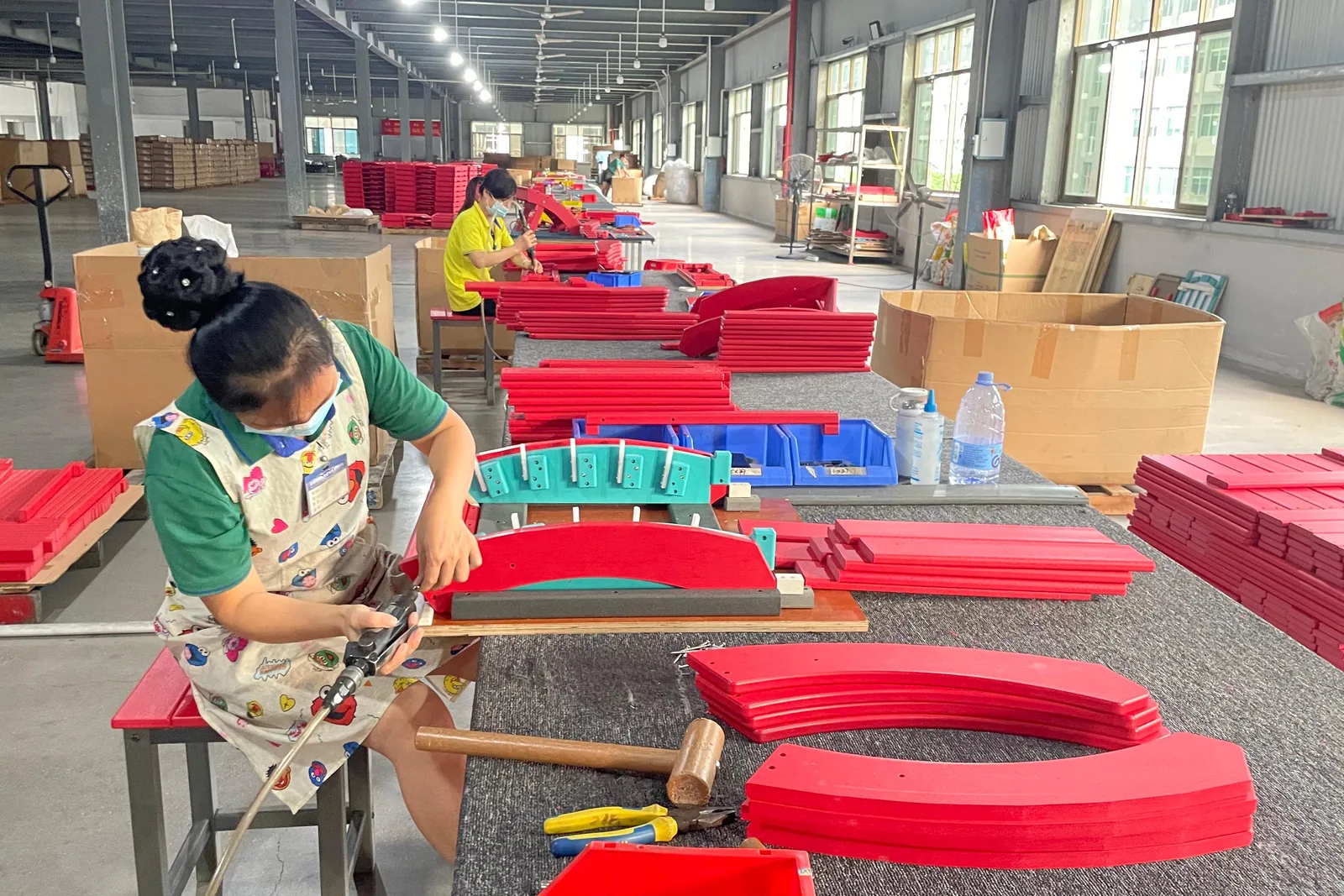
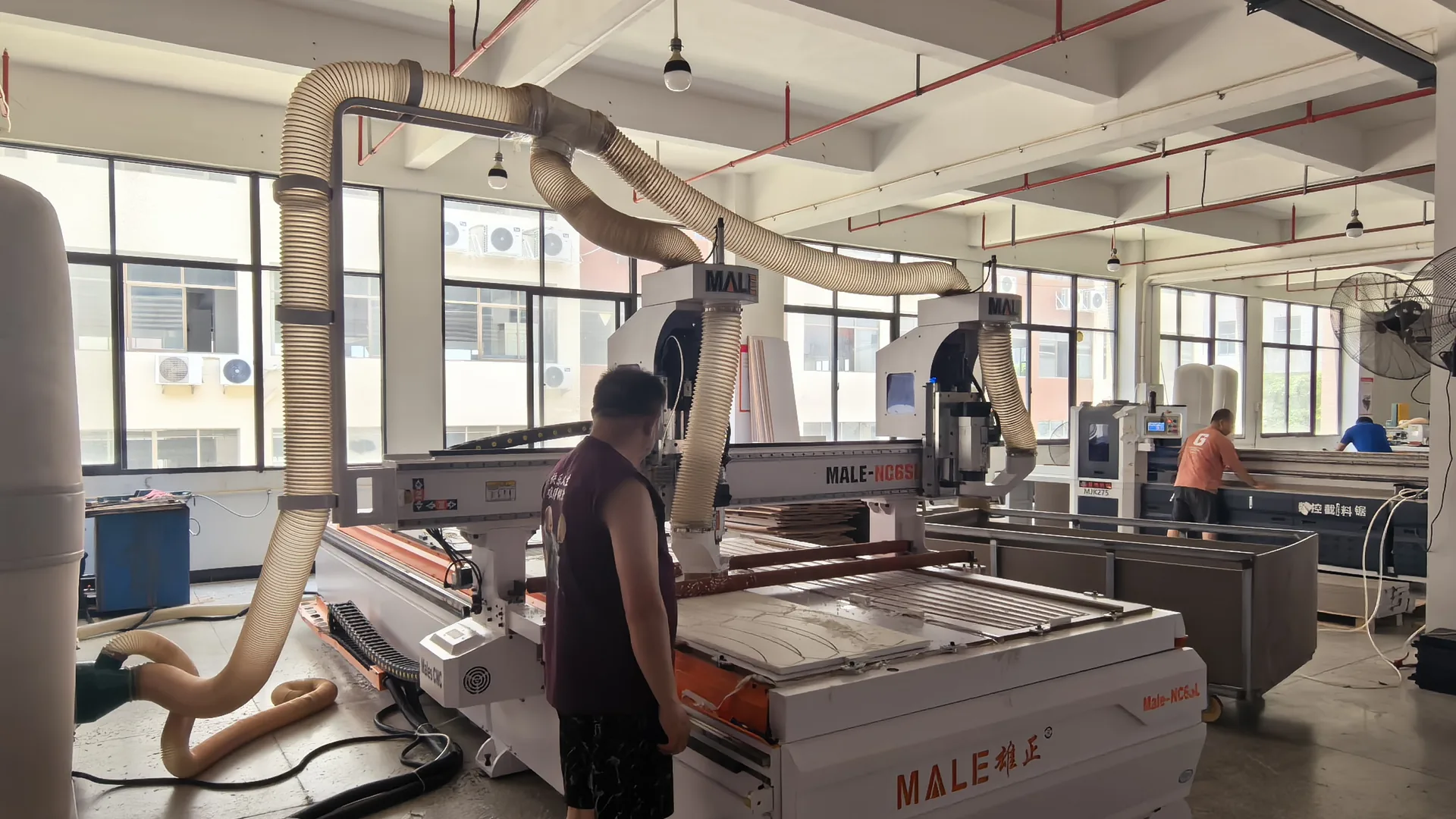
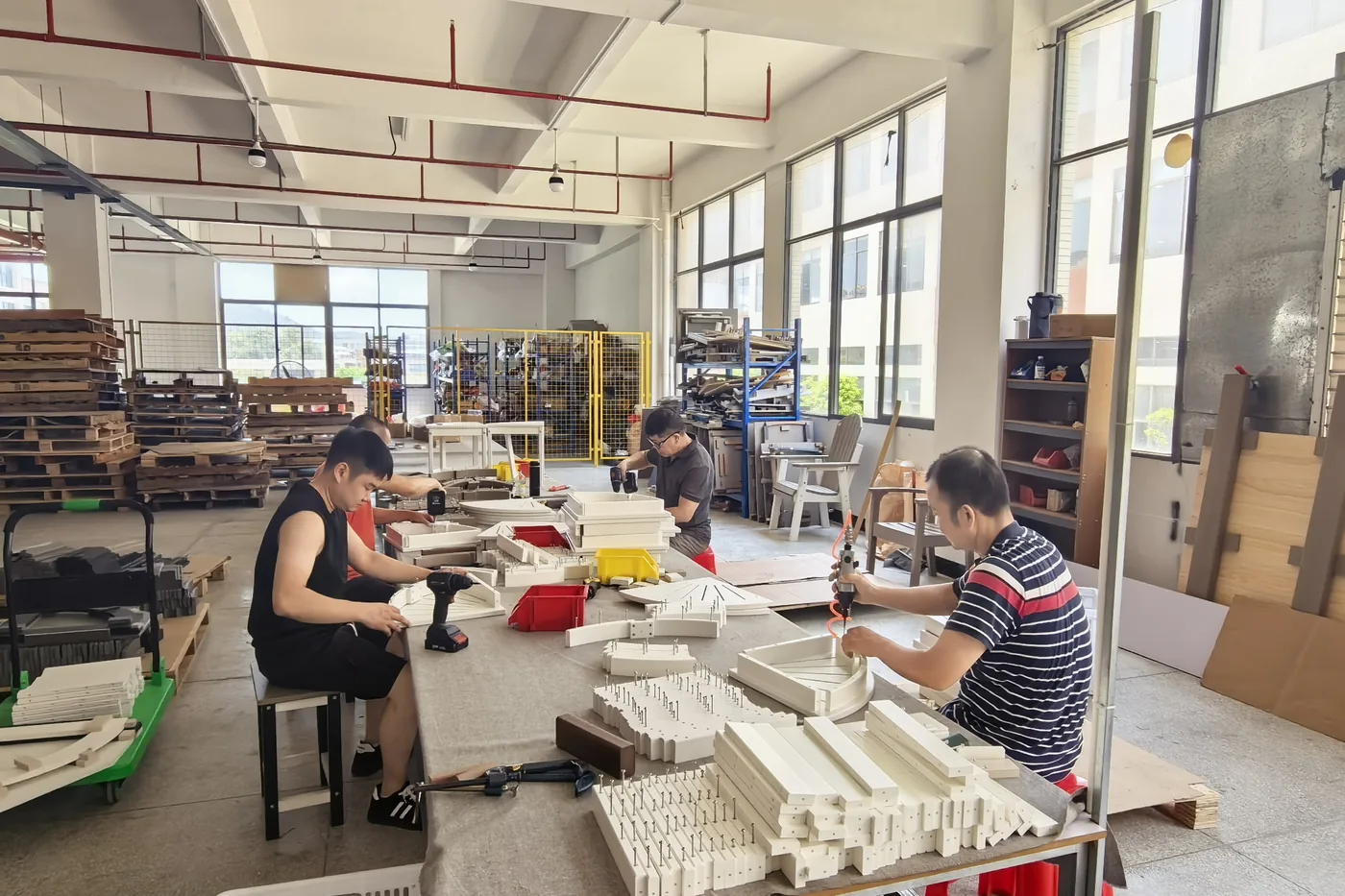
Current factory photographs document real equipment, work areas, and operators in Quanzhou. Product-specific routes still require confirmation.
Connect the selected product and color direction to the material and profile references used for review.
Translate drawings and component requirements into cuts, holes, edges, and interfaces that can be checked against the revision.
Review visible surfaces, edges, component identity, and the scope represented by an approved sample or reference.
Bring components and fittings together in the defined orientation, then inspect the complete item against stated criteria.
CNC equipment can be seen in Meisen’s factory records. The useful buying question is how a specific part will be defined and checked. A dimensioned drawing can identify overall size, hole locations, radii, edge treatment, mating surfaces, and any dimension that controls assembly or appearance.
When an interface is critical, mark it clearly and state the check method. Avoid copying a tolerance from another material, profile, or product without a technical review. A photograph can show the location of a feature; it does not replace a drawing or measured record.
Revision discipline is part of craft. The quotation, sample, drawing, component list, and production instruction should use the same product and part references. If a change is proposed, record its reason, affected items, approver, and date before it enters the accepted file.
A finish review should name the product or component, color reference, surface area, viewing conditions, production status, date, and approver. State whether the sample is intended to approve color direction, texture, edge appearance, component combination, assembly, comfort, packaging, or another defined attribute.
Physical samples are valuable because teams can handle and compare them, but one sample may not describe every surface or later production condition. Record the accepted variation, comparison method, and any element that remains open. Photographs can support comments when lighting and scale are identified, though the retained physical reference should control when the parties agree that it is the approval standard.
For a customized product, decide which questions require a component sample and which require a complete prototype. Feasibility, sample scope, cost, timing, and final approval steps belong in the project record.
Hardware appearance or material naming does not establish a grade, strength, corrosion behavior, or suitability for a location.
Identify each fitting by part reference, size, finish description, supplier record when available, position, quantity per unit, and assembly instruction. Show left and right distinctions, washers, caps, bushings, inserts, or other loose parts where applicable. A labeled diagram helps receiving and later replacement requests.
Connection evidence must match the board or component, fastener, hole preparation, orientation, joint geometry, loading, and environment under review. If a report covers only a material coupon, profile, or individual fitting, do not present it as proof for the assembled item. Complete-product requirements need complete-product evidence with a stated method and acceptance criterion.
The buyer’s installation and use conditions also matter. Confirm assembly state at delivery, tools, sequence, checking points, surface support, and any site fixing or anchoring responsibility. The responsible project team should validate local safety and code requirements.
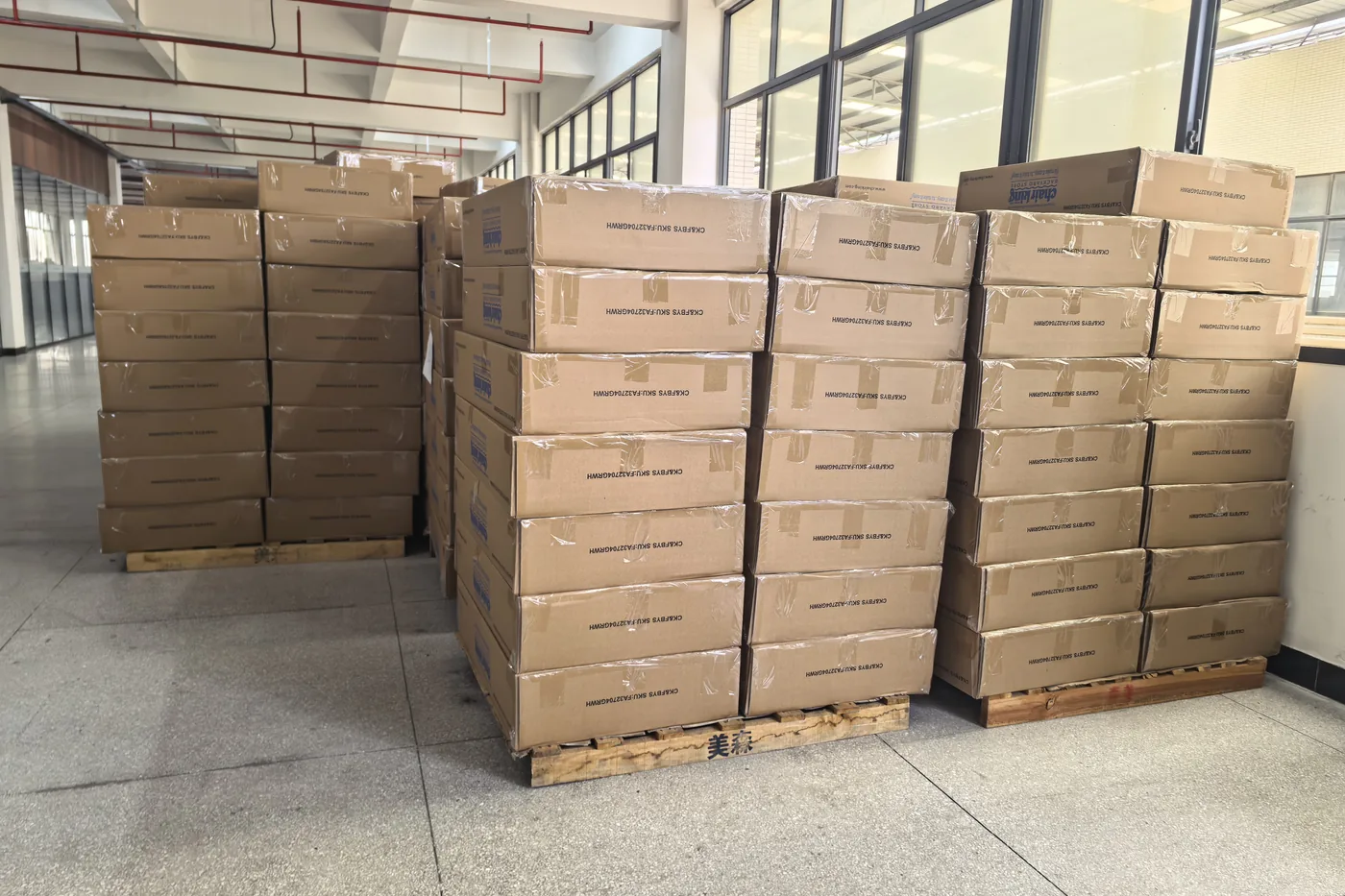
Packaging should be reviewed against the exact product, assembly state, components, finish, route, handling, receiving method, and buyer requirements. The file can define pack grouping, protection points, loose-part control, instructions, carton marks, product or zone labels, and artwork supplied by the buyer.
Request order-specific packed dimensions, weights, counts, and handling information when logistics planning requires them. A standard pack from another model may not represent the selected configuration. Trial packing, photographs, or a pack review can help resolve the right questions before shipment.
The project delivery workflow separates factory packing, freight, customs, final mile, receiving, and installation roles. Each party’s actual scope requires written agreement.
The exact file set depends on the selected product and agreed scope. Unknown fields should remain open rather than being completed by assumption.
Model, revision, dimensions, configuration, component list, and intended application.
Applicable supplier or material records, color reference, labeled sample, comments, and approval date.
Drawings, interface notes, assembly instructions, inspection criteria, and relevant product-specific reports.
Pack plan, marks, instructions, order-specific packed data, responsibility matrix, and receiving procedure.
Include drawings, references, critical dimensions, finish direction, quantity, destination, packaging needs, and the evidence your team must approve.